Holistic Medicine: What Is It and Does It Work?

If you're seeking a more natural lifestyle and want to eliminate unnecessary medications or medical treatments, trying holistic medicine might be worthwhile. The holistic approach may seem intimidating to anyone unaware of what it means, but for those looking to achieve a new level of optimal health, this can be a great solution. 
img

What is the Holistic Approach?

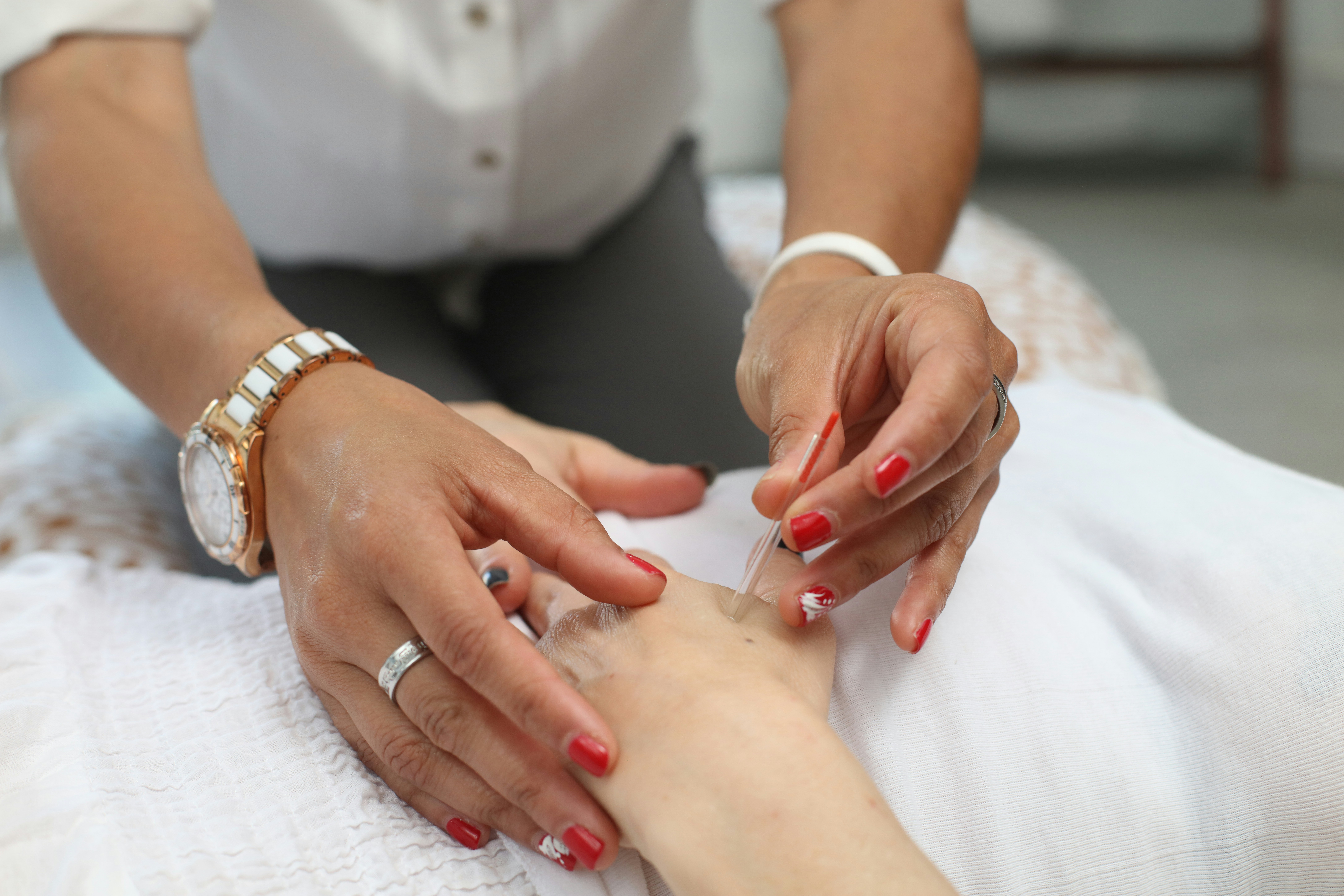
The holistic approach toward medicine focuses on the entire body and seeks to treat health issues through integrative health and alternative medicine. This is a more natural way to address health issues than traditional medicine; however, it should not eliminate traditional medicine. 
For those seeking alternative medicine and integrated health in Medina, OH, the Balance of Life Clinic can provide plenty of information regarding the meaning of natural medicine. The Balance of Life Clinic strives to help its patients reach a new level of optimal health through individualized treatments that co-exist with their existing health care and treatment plans. If you're hopping onto the holistic health train for the first time, seeking out professional help and advice may be the best option for you.

img

What Types of Treatments are Considered Holistic Medicine? 

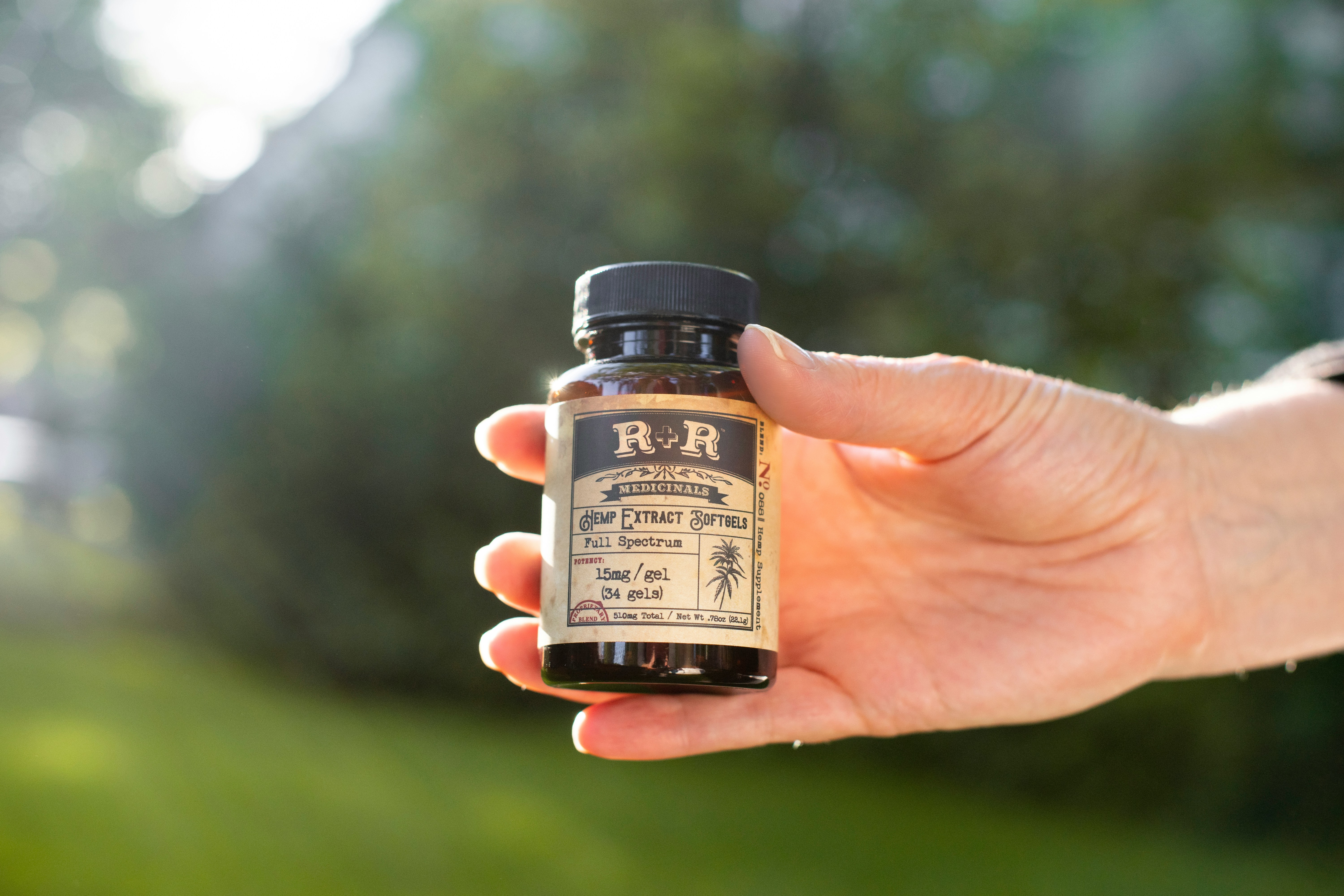
CBD oil is an increasingly popular form of natural medicine and is being used as a supplement to ease issues such as chronic pain, anxiety, sore muscles, and more. CBD is derived from the cannabis plant but does not contain THC, so using CBD products will not result in a "high" feeling. There are plenty of benefits of CBD oil, and it is a key component in the natural health lifestyle. In fact, many people are now using CBD oil for anemia, as the substance can reduce symptoms with its anti-inflammatory and pain-relieving properties. 
If you're interested in incorporating CBD products into your natural health routine, be sure to shop through Sera Labs. Sera relief CBD oil is an effective natural product that will help treat many of your specific health problems. Sera Labs produces some of the highest grade CBD oil and will be an effective investment for your holistic journey.
CBD comes in a wide variety of products, ranging from oil-based supplements to gummy candies. It's important to understand your individual needs when choosing which CBD products will work best for you. Sera Labs is a great site to research CBD and determine which products will suit your needs. 
img

Does Holistic Medicine Work? 

Since the meaning of natural medicine can be confusing, society has often ridiculed the natural approach toward medicine. However, as a result of extensive studies done on alternative medicine, the holistic approach is becoming more accepted among traditional medicine. Research has indicated that alternative therapies can play an important role in treating and preventing illness. 
One of the main philosophies behind this approach is maintaining overall health through self-awareness and natural therapies. By keeping your physical health and focusing on your mind and wellness, you are abiding by a natural lifestyle and will likely reach a new level of optimal health. Taking nutritional supplements and using natural products can also prove to be beneficial for this type of lifestyle. 

img

Is Holistic Medicine the Right Option? 

Many patients of holistic medicine see the results they want and will continue to incorporate this natural way of medicine into their treatment plans for their specific health problems. While the holistic approach does work for some, it's important to understand that homeopathic remedies are not permanent cures to any health problems. If you do try the natural approach, it's important to first consult your primary physician about incorporating homeopathic remedies into your treatment plans. By monitoring your individual needs, and maintaining a sense of self-awareness regarding your health, including a holistic approach to your life could really increase your overall health and happiness.

Cardio vs. weight training: What you should know


A lot of people tend to be unaware of whether they should do cardio or weight training. The good news is that both types of training will make you keep fit. It will also boost your immunity. According to BL Bio Lab, it is important to differentiate the specific impact that the two bring on your body. As a result, you will be able to differentiate which one of them to do. On a quick note, you might want to do cardio if you aim to lose weight. If you intend to become a bodybuilder, then weight training is the ideal option for you. Regardless of the type of exercise you need to do, it is always advisable to seek an expert’s advice. They will advise you whether you are fit to do a particular exercise or not. For instance, if you have a pre-existing health condition, it is advisable to talk to a doctor and a trainer. 

BL Bio Lab suggests weight training to individuals who seek to gain weight. This is the perfect exercise for bodybuilders. Weight training enables an individual to grow muscle, which facilitates them to have a bodybuilder body. If this is the kind of body you want, some experts suggest that you stay away from cardio training since it will only make you lose weight. Weight training requires an individual to take a diet high in protein. The high amount of protein will help the trainer build muscles quickly. In some cases, the proteins taken from healthy foods might not enable a person to build muscles within the desired period. In such a case, bodybuilders take supplements to help them achieve their weight training goals faster. However, it is advisable to consult a nutritionist before you begin to take supplements for your weight training goals. You do not have to take supplements that will harm your body.

If you are looking to lose weight, cardio training is the ideal exercise to facilitate weight loss. Any supplement manufacturer would recommend that you should not take supplements when doing cardio unless you have an underlying health condition. If the doctor has suggested that you take supplements, you should do so without hesitation. Supplements help the body function properly. If you have been taking an unhealthy diet, you should take supplements to provide your body with enough nutrients. However, if you intend to lose weight within a short period, you might need to take supplements to facilitate the exercising process. For instance, you will require a lot of energy to get through the tough exercises during cardio. If you do not have enough energy, you might not make it through the last exercise. As a result, you will not lose weight as soon as expected. In some cases, people only do cardio to keep fit. If you aim to keep fit, you might not need to take supplements since you will keep fit regardless of how much you exercise.

A supplement manufacturer recommends whey protein for individuals seeking to gain weight. If you wish to build muscle within a short period, you need to take the necessary supplements and focus on weight training. The supplements provide your body with the necessary energy required to lift the weights. However, before you take any supplements, it is necessary to consult a nutritionist. They will help you determine the best supplement you should take during weight training. Excess consumption of supplements might harm your body, and hence, you have to seek a doctor’s opinion. 

In some cases, weight training is an effective way of losing weight and toning the body. Therefore, if you want to lose weight, you necessarily do not have to do cardio alone. You should talk to a gym trainer to help you identify the right weight lifting exercises that will help you lose weight and tone your body. This requires light weight lifting, and therefore, you might not need any supplements to facilitate the weight loss exercise. If you are a beginner in the weight training field, it is important to have an expert walk the journey with you. Hence, it is advisable to enroll in a gym where trainers will help you to do the exercises.


5 Facts about Memory Loss Supplements


Memory loss can be caused by various issues, including dementia and deficiencies in various vitamins and minerals, so you should figure out the cause before trying different supplements. Here are five facts about memory loss supplements.

1. Vitamin B12 Deficiency

While the most commonly known reason for memory issues is dementia, there are certain vitamin deficiencies that can cause a decline in memory and cognition too, particularly B12 deficiencies. This type of cognitive issue doesn't necessarily happen due to aging. It can be caused by any diet or absorption issue that doesn't provide enough vitamin B12 to your body. A common cause is an inadequate vegan diet. There are sufficient testing options to check your B12 levels, and if your doctor finds you have a deficiency, you can take a vitamin B12 supplement which should improve your memory. Keep in mind that if you have sufficient levels of vitamin B12, taking more won't give cognition an extra boost.

2. Diet-based Suppmenetation

There are many options available for memory loss supplements. Some are dietary supplements and some you can get through changes to your diet itself. For example, some common supplements are fish oil, curcumin and flavanols. All of these supplements are available in supplement form at a pharmacy or in various foods, spices and herbs you can add to your diet. Foods like fish and cocoa powder and spices like turmeric are what these supplements are derived from, so if you add them to your diet in appropriate amounts, you can gain the same benefits. You should be careful with fish and cocoa powder consumption. Fish can be contaminated with compounds like mercury and cocoa powder may be contaminated with cadmium, so choose brands and types wisely. The supplement forms may be more purified but unlike medications they are not regulated by the FDA, so be careful choosing those as well.

3. A Slow Burn

Memory loss supplements don't provide an immediate brain boost. You can't take one before an exam to help you ace it, for example. Instead, memory loss supplements are meant to help you preserve cognitive function and slow memory degeneration. When you take supplements or make lifestyle changes to benefit your brain, don't worry about immediate results because it's more likely you'll see results over time. Additionally, like many aspects of health, what you do when you're young can deliver benefits as you age. If you begin taking care of your brain and your memory when you're young with supplements or lifestyle changes, that's likely to help preserve your cognition later in life.

4. Additional Tools

Taking a memory-boosting supplement isn't the only thing you should do to prevent or slow memory loss. You should take a supplement in conjunction with other tools, such as a good healthy diet, exercise, high-quality sleep and mental exercise. Avoid excessive fried foods and sugar, sleep for at least seven hours nightly, do some form of moderate or strenuous exercise every day and do activities such as reading or puzzles that strengthen your mental acuity.

Talk to your doctor before trying any memory loss supplements. He or she will be able to help you determine which supplements are best for you.

How Can School Impact Mental Health?


Reaching graduation is a tremendous achievement for all children, no matter what their

circumstances. That being said, not all children are able to perform adequately in school. One of

the biggest reasons for this is the school itself. Many children struggle in school and will develop

serious mental health issues. There are many reasons why this happens. For example, here are

some of the circumstances where school can affect your child’s mental health, says Eric - owner

of Anchored Recovery detox program in Orange County, California.


1. Bullying

Bullying is the most common scenario. This abuse can take many forms. It can be physical,

verbal, cyber bullying, or even discrimination from teachers. Whatever type of bullying your

child is subjected to, it can completely destroy their mental health, sometimes permanently.

Many children commit suicide due to bullying. Others develop long standing mental health

problems like depression and anxiety disorders, or even – in the case of girls – eating disorders

and drug problems. One of your jobs as a parent is to prevent this from happening. It’s vitally

important that you maintain open lines of communication with your child. This way you will

become aware if they are being bullied and can do something about it.


2. The Pressure To Succeed

In today’s ultra-competitive environment there is incredible pressure to succeed. This can mean

getting top grades, performing on the sports field, or in whatever activities your child is

involved in. This pressure can cause serious mental health issues like stress and depression.

In many cases children are made to feel as if their performance in school determines the rest of

their life. If they do not do well in school they have no hope of succeeding in the future. While

this is true to a certain extent, school is not the be all and end all. It’s important that you help

your child realize this. Just because they don’t get top grades, doesn’t necessarily mean they’re a

failure. It’s far more important to feel happy and fulfilled than it is to get good grades.


3. Relationships

High school is often where children get their first experiences with relationships. These

relationships – or the lack of relationships – may cause distress. For example, there may be

pressure to find a boyfriend or girlfriend, or to have sex. Having to do this, or not being able to

do this, can severely affect your child.


Relationships also refer to how they get along with peers. Many children struggle to make

friends at school. They sit alone during recess and do not socialize outside of school. If this

happens your child could end up feeling alone and isolated, which may lead to problems with

depression and anxiety. This is why it’s critically important that your child is able to develop

healthy relationships with other children in school.


Finally, relationships can also refer to how they get along with teachers. Sadly, many children

are treated very poorly by teachers, and this can greatly affect their self-esteem and how they

see themselves.


4. Peer Pressure

Peer pressure is one of the greatest challenges that children face. Whether this is the pressure to

look or act a certain way, wear the right clothes, take drugs, or go to the right parties – the fact

is that peer pressure can have a dramatic effect on your child’s mental health and happiness.

One of the best things you can do is sit down with your child and talk about this. Explain that

they don’t have to go along with the crowd. That sometimes it’s better to be an individual and

stand up to their peers.


5. Substance Abuse

It’s very sad, but our schools are completely awash with drugs. Finding drugs in schools is

almost effortless these days and there may even be drug dealers in and around the campus. It’s

very easy for some children to fall prey to this, and they may even develop a drug addiction

which can have severe effects on their mental health.


High school is also the time when teenagers begin to experiment with drugs and alcohol. This is

where peer pressure once again comes into play. Your child may be pressurized into using

either drugs or alcohol. Some children may even become addicted to these substances, and this

can have a long term effect on their mental health.


6. Homesickness

Many children cannot stand going to school. For whatever reason they prefer staying at home. It

could be because they are undergoing separation anxiety, because the school environment

makes them depressed, or because they are being bullied. Some children even find the school

environment overly restrictive and end up zoning out.


Either way they would prefer to stay at home. If your child fits into this category it’s important

that you quickly determine this. In many cases, some children are far more suited to being

home-schooled.


7. Underlying Mental Health Problems

Oftentimes it’s not the school which is causing your child’s problems. Many children are born

with mental health conditions and these will begin to manifest themselves at around the time

they begin going to school. For example, your child may have a personality disorder, and this

could become apparent at around puberty. Other children have chemical imbalances in their

brains and this can lead to issues with depression, anxiety, and self-esteem.


Final Thoughts

The bottom line is that school can be dangerous to children. Not every child is able to

excel and go on to live a healthy, happy and fulfilling life. There are dozens of ways that school

can affect your child’s mental health. This is why it’s so important that you maintain a healthy

relationship with your child. You need to closely monitor their mental health at all times, and

recognize any problems which may be developing.


If your child’s mental health is being affected then it’s critically important that you pull them out

of the school, or take steps to solve the problem. Failure to do so may have serious

consequences which can last decades after your child has graduated.

Heating Our Homes: What’s The Safest Choice For Children?


Air quality is a major concern for all parents, one made even more pressing by issues like global warming, wildfires, and rampant pollution - but as little control as we have over those matters, we can at least manage the air quality in our own homes. That means, as we make decisions about how to heat our homes, we should always consider how our choices impact indoor air quality. Failure to do so could have a significant impact on our children’s health, not just today, but for years to come.


The Impact Of Air Quality


Most people assume that indoor air quality is better than air quality outdoors, since we have more control over our environment when we’re inside. In reality, though, many homes suffer from poor indoor air quality because they have insufficient ventilation, contain petroleum-based products that release toxic byproducts, or because of structural issues like mold growth. These problems may be invisible to the naked eye and may not cause overt ill-health but can still have lasting negative effects, including a greater propensity for developing asthma, digestive problems, and even mood issues. 


Heating Options


When deciding how to heat your home, there are several factors that will determine how a heating system will impact air quality. For example, propane heaters are typically used outdoors because of concerns about air quality, but there are propane heaters appropriate for indoor use. Such models produce very little exhaust, and indeed, conventional propane cooking stoves are likely more dangerous when it comes to air quality. Additionally, those models that are fully vented represent virtually no risk at all.


If you’re concerned about using propane, one seemingly more natural heating option is wood heating, but this is generally a far worse choice in regards to air quality. Wood smoke releases an enormous amount of particulate matter and is considered one of the riskiest choices if you’re concerned about respiratory disease. A better choice might be a pellet stove, which burns much more cleanly and efficiently, and has been gaining in popularity.


Finally, old-fashioned steam heat systems are, at least on the surface, relatively harmless - but the problem with these systems is largely a matter of age. While some are part of updated systems, many steam-heated homes still use vintage radiators, which may release lead dust or fumes. Anyone using old radiator systems with children in the home should have their units evaluated for lead and other toxins.


Other Safety Concerns


While air quality is a top concern when selecting a heating method, parents also need to consider other safety issues, such as burn and fire risk. Vintage radiators can cause steam burns, while some radiant heaters may represent a burn risk if your child touches it directly. For safety purposes, a growing number of families are choosing ceramic convention heat systems, which are fully contained and unlikely to cause injury. Still, regardless of what heating apparatus you choose, the key is to place it away from soft toys and items like curtains that could catch on fire, and to teach children not to touch the heater. Additionally, young children should not be left unattended near an operating heating unit.


There’s no single correct choice for heating your home, but rather the right choice for your home and family is dependent on a number of considerations. Parents should consider their family’s particular needs and infrastructural options when selecting a heating system. And, whatever you choose, the good news is that we’ve come a long way since the days of coal - and that’s done all of us a world of good in terms of respiratory health and overall wellness.


CoSleeping and Breastfeeding Go Hand in Hand

Breastfeeding / CoSleeping photo shared from Raising Her Barefoot
Dream feeding (night nursing) makes life easier for mom and happier/healthier for baby.


Cosleeping has made breastfeeding at night SO much easier. When Indie is hungry we both half wake up together, she latches on to feed, and we both fall back to sleep.

No need to get up and walk down the hall.

No need to turn the lights on.

We both stay warm snuggled up in bed together, she has a feed, and we drift back to sleep.

Cosleeping babies consume on average twice as much breastmilk as babies who sleep in a cot at night. Night time breastmilk contains twice as much beneficial growth hormone and significantly more melatonin (a hormone that contributes to normal circadian rhythms).

Breastfeeding and cosleeping go hand in hand. It’s the most natural feeling I’ve ever felt.

-Millie, Raising Her Barefoot
FB.com/RaisingHerBarefoot


Related Reading:

Breastfeeding Made Simple (book)
best book to read before your breastfeeding days begin

Baby Sleep Resource Page

Sweet Sleep (book)

Sleeping With Your Baby: A Parent's Guide to CoSleeping

Safe CoSleeping (Page)

CoSleeping (Group)

Breastfeeding (Group)

CoSleeping and Biological Imperatives: Why Babies Do Not, and Should Not, Sleep Alone

Turn Your Crib into a Cosleeper

International CoSleeping Symbol


How to Help Your Kids Adopt a Healthy Lifestyle


Children will look to their parents for direction. If you’re regularly serving and consuming fattening foods or sugar-filled snacks, your kids won’t think twice about grabbing a candy bar or other junk food.

The last thing you will want is for your son or daughter to develop a bad relationship with food, which can impact their physical and mental health. For this reason, you must look for ways to help your children to adopt a healthy lifestyle.

Avoid Processed Foods

Processed foods are often filled with salt, fat, and sugar, which can add to your child’s waistline and damage their overall health. Try to avoid adding processed and packaged foods onto their plate and focus on providing more natural ingredients, such as meat, fish, fruit, and vegetables.

Lead by Example

Children will imitate their parents from an early age. If you’re munching on potato chips and chocolate each day, you can guarantee they’ll want to follow in your footsteps. Prevent your kids from making poor food choices and lead by example. 

To do so, you must:

  • Eat five portions of fruit and vegetables each day

  • Drink eight glasses of water

  • Choose healthy snacks over junk food

  • Consume protein

  • Enjoy at least 20 minutes of exercise per day

You also should look for ways to get your family moving, such as a bike ride, a walk outdoors, or even a dance contest.

Improve Their Food Education

Improving your children’s knowledge of healthy ingredients could help them to develop an appreciation for natural, nutrient-rich foods. For example, growing a herb garden could help your child to develop an interest in different herbs and spices, which could encourage them to try new flavors and textures. 

You also could provide titbits about different products on their plate. Your kids might be fascinated that a salmon’s color is determined by the fish’s diet. For example, the salmon pink color is often achieved during farming, as farmers will add synthetic astaxanthin to avoid an unappealing grey hue. 

Involve Your Children

Involving your children in the shopping and cooking process could increase their interest in healthy ingredients, and it can create the illusion of control over their diet. Plus, if they’ve picked the groceries with you at a store, they’ll be more likely to try them when served for lunch or dinner. Don’t forget to involve your children in the cooking process, as they might enjoy washing vegetables, marinating meat, or prepping a salad. 

Provide Access to Healthy Snacks

Don’t want your kids to turn to junk food when their stomachs start to rumble? Keep hunger at bay by providing access to various healthy snacks, such as:

You also should lock away junk food, such as chips, cookies, and soda, which can help them to understand the difference between healthy items and junk food.

If you follow these helpful tips, you could help your children to develop a positive relationship with food and enjoy a healthy mind and body throughout their youth and adulthood.


When can I feed my baby eggs?


It is surprising to see the amount of controversy that exists around feeding eggs to young children. In the olden days eggs were considered completely safe foods for babies starting off on solids, then up till the last decade, Pediatricians recommended that mothers wait for at least a year to introduce eggs to their babies’ diets because of allergy concerns. However, current research has shown that there is no reason to wait so long and you may give your baby eggs once they start solids, as long as you are careful about using fresh eggs, know
how to tell if an egg is bad, and keep an eye out for allergic reactions and other sensitivities.

Benefits of eggs

Eggs are rich foods that have an abundance of proteins and healthy nutrients. They are available widely and easily at most grocery stores and markets. They are simple to prepare, are inexpensive and versatile and can be prepared in a variety of ways to suit your child’s tastes.

One large egg contains roughly 80  calories and about 7 grams of protein. The nutritional value of an egg, specially the yolk, is impressive. Eggs are rich in riboflavin, B12, phosphorus, selenium and folate. They also contain choline, which helps in promoting normal cell activity, liver function, and transporting nutrients to other areas of the body. It may even help in increasing your baby’s memory.

Possible risks of eggs for babies

About 2 percent of children may be allergic to eggs. That is why Paediatricians used to advise not feeding babies eggs until after their first birthday. While the yolk of an egg is not associated with allergic reactions, the whites contain proteins that have the potential to cause allergic reactions.

Signs of an allergic reaction or sensitivity

Babies whose immune systems have not developed fully may not be able to handle certain proteins in the egg white. As a result, they may experience allergic reaction symptoms if they consume eggs. Allergic reactions most commonly affect the skin, but may also impact the respiratory, digestive, or cardiovascular systems. Symptoms may include 

  • swelling, hives, eczema, or flushing

  • nausea, diarrhea, vomiting, or pain

  • itching around the mouth

  • trouble breathing or wheezing, runny nose, 

  • Increased heartbeat, low blood pressure, anaphylaxis (rare)

The tendency to be allergic to something is often hereditary. If anyone in your family is allergic to eggs, it would be advisable to be cautious while introducing eggs to your baby’s diet. 

If your baby suffers from eczema, it would also be wise to be careful before introducing eggs as babies with eczema have a tendency to have food allergies. However most children outgrow egg allergies by time they are 5 years old. Your paediatrician is your best resource for what will work with your individual child.

If you have an inkling that your baby may be at risk of having a food allergy from eggs, you should also be aware of the fact that eggs are a hidden ingredient in almost all baked goods, and may be found in other foods as well. It is advisable that you read ingredient labels carefully before you introduce any new foods to your little one.


Newborn Care: 5 Tips for Stressed-Out Moms

Being a mom is hard work, and those few months after giving birth can feel almost impossible. Physically, mentally, and emotionally, newborns take a toll on you. Of course, your newborn is also a huge blessing, but between the exhaustion and the stretch marks, it can be difficult to remember that. If you're feeling stressed out beyond belief as the mom of a newborn, here are five self-care tips to try.

1. Make sure to get newborn health screenings.

img

Part of the stress of being the mother to a new infant is that you're constantly worried about your baby's health. Invest some time into getting high-quality health screens for your child so that you're alerted to developmental issues like hearing loss as soon as possible. A newborn hearing screen is a great place to start, as hearing is integral to your newborn's development and learning. At newborn hearing screenings, an audiologist will check your baby's hearing capacity and alert you to any evidence of hearing loss they may find. Addressing hearing loss after a hearing screen is incredibly important so that you can invest in pediatric audiological therapies to help your child before they progress through adolescence and puberty.

2. Take time to talk to friends.

img

A huge tip for moms of new babies is to make sure that you stay in touch with your friends. Often, new parents tend to fade out of their friends' lives as they spend more time at home caring for their infant. But don't forget that your social skills need to be exercised, too. Call a friend and see if they can come visit, or even get out of the house with you. Share the stresses of new motherhood with them and listen to what's going on in their lives as well. Retaining contact with others will relieve your stress and make you feel more connected to yourself, as well as to your friends. 

3. Take time to talk with a therapist as well.

img

Sometimes the stress of motherhood can feel like too much to bear. If that's the case, as it is for a great many women, seek the help of a professional therapist or engage in group therapy in order to help calm your mind. When you're feeling better you'll be able to be more present for your child and perform better in other parts of your life. If you're feeling down and don't know where to go, Therapy Group of NYC can help you find individual therapy or even a support group to help you improve your quality of life. Seeing a licensed New York therapist is the best way to take control of your mental health.

4. Help yourself heal.

img

Many women have trouble getting used to their postpartum bodies and want to know how to get rid of stretch marks. Stretch marks can show up everywhere on your body after having a baby due to the amount of stretching your skin underwent. You may find them on your breasts, thighs, buttocks, stomach, or arms. If you want to reduce the appearance of stretch marks, you have a number of options. One way is to invest in laser treatment to remove the appearance of stretch marks on your skin. You could also apply creams that contain vital ingredients like collagen to renew your skin's elasticity. You may also want to seek a microdermabrasion treatment to gently exfoliate your stretch marks and encourage them to fade.

5. Take nights off if you can.

img

If you have the means, try to take some nights off every once in a while. Hire a babysitter or caregiver, or offer to pay for a friend's dinner if they watch your little one. Having a night off means you can do all the things that slipped by you during the rest of the week, such as light errands or catching up on some much-needed sleep. You may even want to go out to a restaurant by yourself or with your partner for an adult conversation. Take some time, it's worth whatever you have to pay the babysitter to have a moment to yourself.

5 Things You Should Know for Your Baby Shower

Celebrating the birth of your unborn baby is an exciting time! It's safe to say that there is a lot to plan and a lot to get organized that it can be overwhelming if you don't have a plan or a structure in place. One of the most important planning events during your pregnancy is your baby shower, which is a whole other ballgame. Now that baby showers are becoming less and less traditional, there's tons to know and prepare for, so here are a few details to keep in mind when planning the big event.

Pick the date of the shower carefully.

img

Pregnancy can be unpredictable, so you'll want to pick the date of the shower very carefully. You never know what is going to happen, like whether your little one decides to come early or you are put on bed rest. In cases like this, it is always important to invest in pregnancy insurance, which will help to give you peace of mind that you are covered if you have to have surgery or specialized care. For some health insurance plans, pregnancy insurance is not included, so as soon as you find out you are pregnant, look into a plan or what your current plan offers. It's incredibly important to understand what your health insurance provides in terms of pregnancy as well as postpartum care. You don't want any surprise bills after you give birth at the hospital. 

With all of this in mind, we recommend planning the shower to be at the end of your second trimester. This way you'll have ample amounts of time to organize all your new gifts before the baby arrives.

Send out invites with about five weeks to spare.

img

Especially now with the COVID-19 crisis affecting travel, you'll want to send out your baby shower invites as soon as you can. This will give guests from out of town ample time to plan their trip, as well as getting the mama-to-be registered on all her favorite baby sites. Just make sure the mom is registered before the invites go out, so you can include the link to her registries on the invite itself. 

Ask for gifts to be unwrapped.

img

Sure, heaps of baby presents makes for an excited and gracious pregnant mom. But watching the mom unwrap presents for hours on end can be especially tedious for the guests. While yes, everyone loves to see adorable baby clothes, stuffed animals, and little bottles, baby showers can be quite boring. To ensure everyone is having a fun time for the entire duration of the shower, ask for all presents to be unwrapped. This way all the gifts will be on display for everyone to see, and the guests have more time to mingle. Another choice is opening presents after guests have left.

Choose crafts instead of games.

img

Some games are just not that fun during baby showers, only because they're not very original! Most guests have probably played all the games you planned on playing, so why not change things up by choosing crafts for the nursery and the family-to-be instead? There are plenty of fun ways to make crafting fun at a baby shower, such as:

  • Give every person a white bib and fabric paint to decorate as they wish,
  • Write a message on a piece of fabric and the mom can sew the pieces into a quilt after the shower,
  • Each person puts on lipstick and kisses a canvas, leaving a "kiss" for the new baby,
  • Each person draws what they think the baby will look like once it is grown up.

Allow for grazing with a buffet.

img

A sit-down baby shower can be a bit stuffy, so consider allowing a buffet so your guests can snack during the entire shower. You can pick a time in the mid-morning or the mid-afternoon and serve a lot of different appetizers and desserts to keep everyone full and happy. Just don't forget the mocktails and the cocktails!

Keep these few tips and tricks in mind and you'll be on your way to planning a memorable baby shower for the books!

LinkWithin

Related Posts with Thumbnails